Understanding Different Rug Types
Learn about various carpet and rug materials, their unique characteristics, and the best care practices for each type.
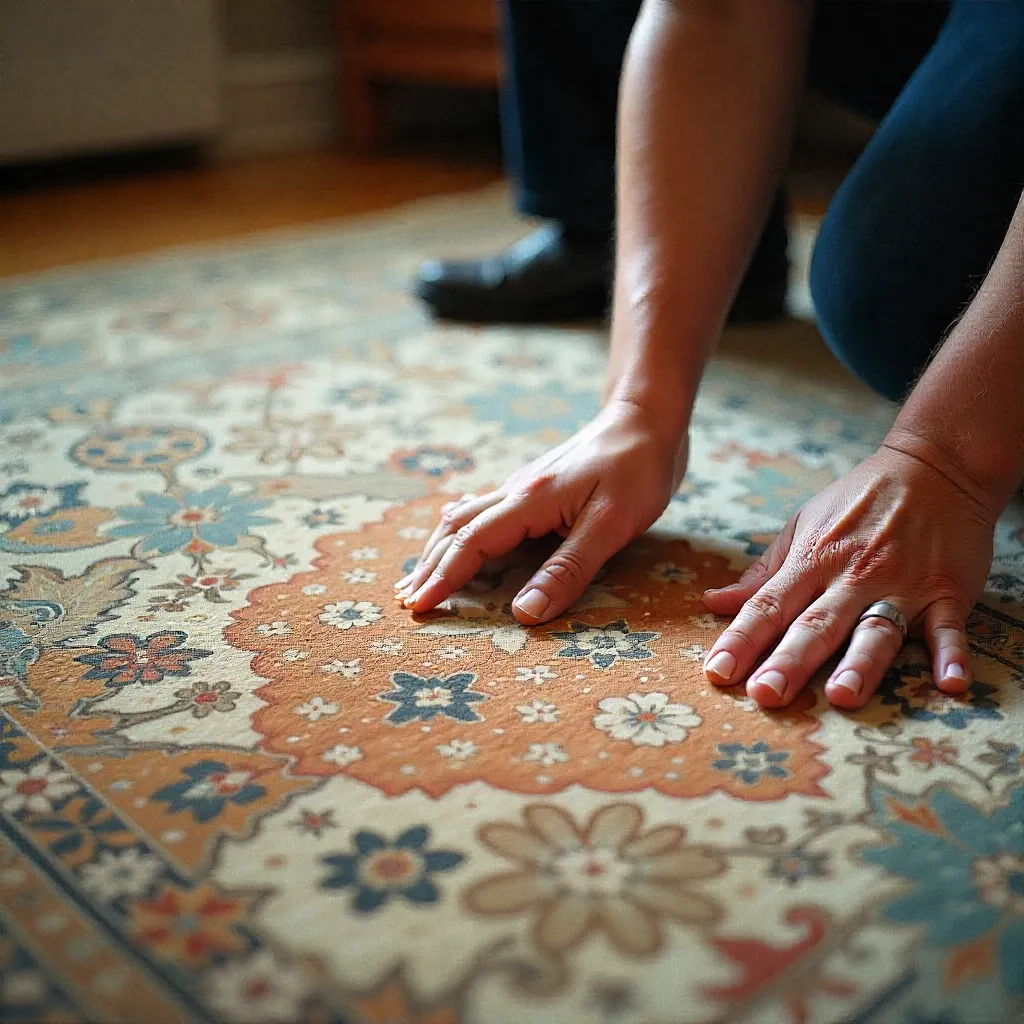
Natural Fiber Rugs
Wool Rugs
Wool is naturally durable and stain-resistant. These rugs benefit from regular vacuuming and occasional deep cleaning with gentle, natural solutions. Avoid excessive moisture and direct sunlight to preserve their quality.
Cleaning Frequency: Vacuum weekly, deep clean every 6-12 months
Natural Fiber DurableCotton Rugs
Cotton rugs are soft, affordable, and easy to clean. They're perfect for high-traffic areas and can often be machine-washed. Use mild, natural detergents and air dry to maintain their softness.
Cleaning Frequency: Vacuum weekly, wash every 3-6 months
Natural Fiber Machine WashableJute Rugs
Jute offers a natural, textured look but requires careful maintenance. These rugs should be kept dry and cleaned with minimal moisture. Spot cleaning with natural solutions works best.
Cleaning Frequency: Vacuum weekly, spot clean as needed
Natural Fiber Low MoistureSynthetic Blends and Modern Materials
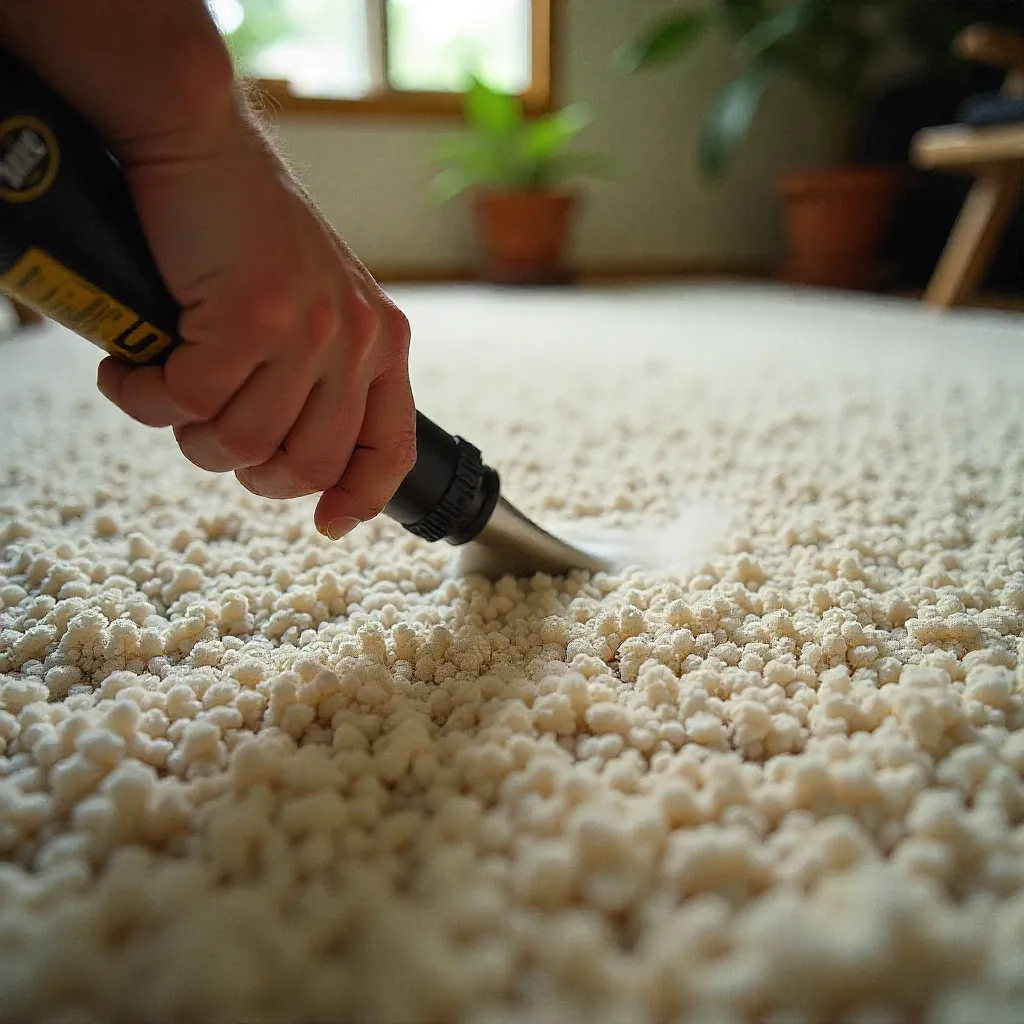
Synthetic Blends
Polyester, nylon, and polypropylene blends offer durability and stain resistance. While synthetic, they can still benefit from natural cleaning methods. These rugs are often more affordable and easier to maintain.
Cleaning Frequency: Vacuum weekly, deep clean every 4-6 months
Stain ResistantBamboo and Hemp
These sustainable alternatives are gaining popularity. They require gentle care similar to jute. Use dry cleaning methods primarily, with minimal moisture for spot treatments.
Cleaning Frequency: Vacuum weekly, dry clean every 6 months
Eco-FriendlyAllergy-Friendly Fabrics
-
Hypoallergenic Options
Synthetic fibers like polypropylene are naturally resistant to allergens. They don't trap dust mites, pollen, or pet dander as easily as natural fibers. Regular vacuuming with a HEPA filter helps maintain air quality.
Allergy-Friendly -
Natural Fiber Considerations
While wool and cotton are natural, they can harbor allergens if not properly maintained. Use natural cleaning solutions that don't introduce additional irritants. Regular airing and sun exposure (briefly) can help reduce allergens.
-
Cleaning for Allergy Relief
Use plant-based cleaning solutions that don't contain harsh fragrances or chemicals. Vacuum frequently with a high-quality filter. Consider using natural deodorizing powders between deep cleanings to maintain freshness.
Avoiding Harsh Chemicals for Sensitive Fibers
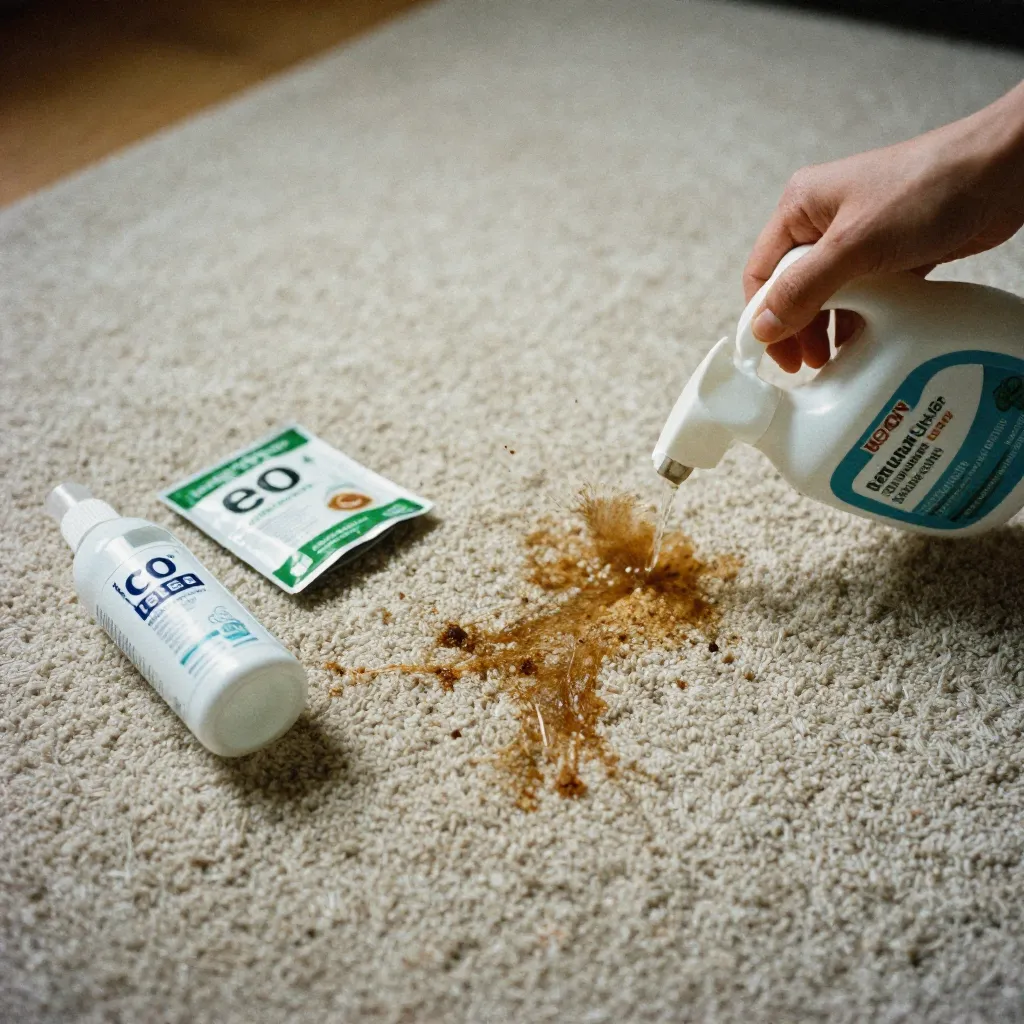
Why Natural Solutions Matter
Harsh chemicals can break down natural fibers, cause color fading, and create health risks. Natural solutions preserve fiber integrity while effectively cleaning. Always test solutions on a hidden area first.
Fiber SafeSafe Cleaning Practices
For delicate fibers like silk or fine wool, use only the gentlest natural solutions. Avoid any products with bleach, ammonia, or strong solvents. When in doubt, consult with a professional who specializes in natural cleaning methods.
Gentle CareStorage Tips for Seasonal Rugs
-
Clean Before Storage
Thoroughly clean and completely dry your rug before storing. Any moisture left in the fibers can lead to mold, mildew, or unpleasant odors. Use natural cleaning methods and ensure full air drying.
-
Proper Wrapping
Roll the rug (never fold) with the pile facing inward. Wrap in breathable cotton sheets or natural fabric, not plastic. This allows air circulation while protecting from dust and pests.
-
Storage Location
Store in a cool, dry place with good air circulation. Avoid basements or attics with extreme temperature changes or humidity. Elevate off the floor to prevent moisture absorption.
-
Regular Check-ups
Inspect stored rugs every few months. Unroll and air them out briefly to prevent musty odors. Check for any signs of pests or moisture and address immediately with natural solutions.